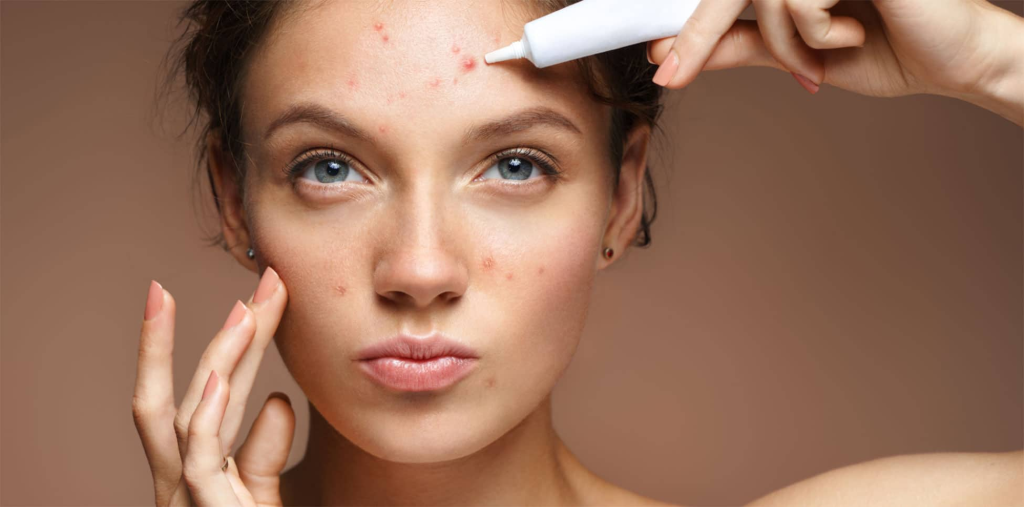
Acne is one of the most common skin concerns affecting people of different age groups, especially teenagers and young adults. However, acne is not limited to adolescence; many adults also experience breakouts due to hormonal changes, stress, lifestyle habits, environmental factors, and skincare mistakes. From occasional pimples to persistent acne conditions, this skin issue can impact confidence and overall well-being.
Finding the right Acne Treatment requires understanding the underlying causes rather than only focusing on temporary solutions. While many products promise quick results, effective acne management usually involves a combination of proper skincare, suitable ingredients, healthy habits, and professional guidance when required.
Modern skincare has evolved significantly, offering advanced solutions that target acne-causing bacteria, excess oil production, inflammation, and clogged pores. With consistent care and the right approach, most people can successfully control acne and maintain healthier-looking skin.
Understanding Acne and Why It Happens
Acne develops when hair follicles become clogged with oil, dead skin cells, and bacteria. The skin naturally produces sebum, an oily substance that helps keep the skin moisturized. However, excessive sebum production can mix with dead skin cells and block pores, creating an environment where acne-causing bacteria can grow.
Hormonal fluctuations are among the major reasons behind acne development. During puberty, hormonal changes increase oil production, leading to frequent breakouts. Similarly, hormonal acne can occur during menstrual cycles, pregnancy, or periods of stress due to changes in hormone levels.
Other factors such as poor skincare routines, using unsuitable cosmetic products, excessive touching of the face, pollution exposure, and an unhealthy lifestyle can also contribute to acne. Understanding these triggers is an important step toward selecting the right acne management approach.
Common Types of Acne
Acne appears in different forms, and each type may require a different approach. Mild acne usually includes blackheads, whiteheads, and occasional pimples, while severe acne can involve painful cysts and deeper inflammation.
Non-Inflammatory Acne
Non-inflammatory acne occurs when pores become blocked but do not develop significant swelling or redness. Blackheads and whiteheads are the most common examples. These types of acne often respond well to ingredients that help remove dead skin cells and prevent pore blockage.
Inflammatory Acne
Inflammatory acne appears as red, swollen, and sometimes painful bumps on the skin. Papules, pustules, nodules, and cysts fall under this category. These forms often require stronger treatments because they involve inflammation and a higher risk of scarring.
Causes That Influence Acne Development
Several internal and external factors can affect skin health and increase the possibility of breakouts. While genetics play a role, daily habits and environmental conditions also influence acne severity.
Some common factors associated with acne include:
- Hormonal changes and increased oil production
- Stress and irregular sleep patterns
- Use of pore-clogging skincare or makeup products
- Diet patterns and lifestyle choices
These factors do not affect everyone equally, which is why personalized skincare approaches are often more effective than following general trends.
Modern Acne Treatment Options for Clearer Skin
A successful Acne Treatment plan depends on the severity, skin type, and specific causes behind breakouts. Mild acne can often improve with over-the-counter skincare products, while moderate to severe cases may require dermatologist-recommended solutions.
Topical treatments are among the most commonly used approaches. Ingredients such as salicylic acid help remove dead skin cells and clear clogged pores, while benzoyl peroxide targets acne-causing bacteria. Retinoids are also widely used because they support skin cell renewal and help prevent new breakouts.
For individuals dealing with persistent acne, dermatologists may recommend prescription medications, chemical peels, laser-based procedures, or other advanced treatments. These methods are designed to reduce inflammation, improve skin texture, and minimize long-term effects such as acne scars.
| Treatment Option | How It Helps | Suitable For |
|---|---|---|
| Salicylic Acid | Removes dead skin cells and unclogs pores | Mild acne and oily skin |
| Benzoyl Peroxide | Reduces acne-causing bacteria | Inflamed pimples |
| Retinoids | Improves cell turnover and prevents clogged pores | Persistent acne concerns |
| Professional Procedures | Targets severe acne and scars | Moderate to severe cases |
Skincare Routine for Managing Acne
A consistent skincare routine plays an important role in improving acne-prone skin. Many people make the mistake of using too many products at once, which can irritate the skin and worsen breakouts. A simple routine with suitable ingredients is usually more beneficial.
Cleansing the face twice daily helps remove excess oil, dirt, and environmental pollutants. However, harsh cleansers that remove natural oils completely can damage the skin barrier and trigger additional irritation. Choosing gentle, non-comedogenic products is important for maintaining balance.
Moisturizing is another essential step, even for oily or acne-prone skin. When the skin becomes dehydrated, it may produce more oil to compensate, potentially leading to more clogged pores. A lightweight moisturizer helps maintain hydration without making the skin feel heavy.
Sun protection should also be included in daily skincare. Acne treatments can sometimes make the skin more sensitive to sunlight, and regular sunscreen use helps prevent irritation, dark spots, and uneven skin tone.
Lifestyle Changes That Support Better Skin Health
While skincare products are important, lifestyle habits can significantly influence skin condition. Maintaining a balanced routine supports the body’s natural ability to repair and protect the skin.
A nutritious diet containing vegetables, fruits, proteins, and healthy fats can support overall skin health. Drinking enough water, managing stress, exercising regularly, and getting quality sleep can also contribute to healthier skin.
It is also important to avoid frequently touching or picking acne lesions. Squeezing pimples can push bacteria deeper into the skin, increasing inflammation and raising the possibility of scars or pigmentation.
Natural Approaches and Their Role in Acne Care
Many people explore natural remedies as part of their skincare journey. Ingredients such as aloe vera, green tea extract, and certain botanical ingredients may provide soothing benefits. However, natural does not always mean suitable for every skin type.
Some home remedies can cause irritation, especially when applied incorrectly or used excessively. A balanced approach that combines scientifically supported ingredients with gentle skincare practices is usually more reliable.
Natural methods can complement a broader Acne Treatment strategy, but they should not replace professional care for severe or persistent acne conditions.
Preventing Acne Breakouts in the Long Term
Preventing acne requires consistency rather than quick fixes. Skin improvements usually take time because acne develops through multiple processes, including oil production, inflammation, and skin cell turnover.
A few important habits for long-term acne prevention include:
- Maintaining a consistent skincare routine
- Cleaning makeup tools and pillowcases regularly
- Choosing products suitable for acne-prone skin
- Avoiding unnecessary changes in skincare products
Following these practices can reduce frequent breakouts and help maintain healthier skin over time.
When Should You Consult a Dermatologist?
Although many acne cases improve with proper skincare, professional advice becomes important when breakouts are severe, painful, or affecting confidence. Persistent acne can sometimes lead to permanent scars or pigmentation if not managed properly.
A dermatologist can evaluate skin condition, identify possible triggers, and recommend suitable treatments based on individual needs. Professional guidance is especially valuable for hormonal acne, cystic acne, and acne that does not respond to regular skincare products.
Common Mistakes People Make While Treating Acne
One of the biggest mistakes people make is expecting immediate results. Acne improvement usually requires patience because most treatments need several weeks to show visible changes. Frequently switching products can prevent the skin from adjusting and may cause additional irritation.
Another common mistake is over-exfoliating. While exfoliation can help remove dead skin cells, excessive use can weaken the skin barrier and increase sensitivity. Similarly, using too many active ingredients together may cause dryness and redness.
A successful Acne Treatment approach focuses on consistency, gentle care, and choosing products based on skin requirements rather than following every skincare trend.
Frequently Asked Questions
What is the most effective Acne Treatment for clear skin?
The most effective approach depends on the type and severity of acne. Mild acne may improve with ingredients such as salicylic acid or benzoyl peroxide, while persistent acne may require dermatologist-recommended treatments. A consistent skincare routine combined with healthy habits usually provides the best results.
How long does acne treatment take to show results?
Most acne treatments require patience because skin renewal takes time. Many people notice gradual improvements within several weeks, but significant changes may take a few months depending on the severity of acne and the treatment method used.
Can diet affect acne?
Diet can influence acne for some individuals. Foods with high sugar content or certain dietary patterns may contribute to breakouts in some people. Maintaining a balanced diet with nutrient-rich foods can support better skin health.
Is it safe to use multiple acne products together?
Using multiple acne products without proper knowledge can cause dryness, irritation, or damage to the skin barrier. It is better to introduce new products gradually and avoid combining too many strong active ingredients at the same time.
Can acne scars be treated?
Yes, acne scars can often be improved through professional procedures such as chemical peels, laser treatments, microneedling, and other dermatologist-recommended methods. The best option depends on the type and depth of scars.
Does acne only affect teenagers?
No, acne can affect people of all ages. Adult acne is increasingly common and may be linked to hormones, stress, lifestyle factors, skincare products, or other environmental influences.
Conclusion
Acne is a common but manageable skin condition that requires a thoughtful and consistent approach. The right Acne Treatment focuses on addressing the causes of acne while maintaining skin health through proper skincare, lifestyle improvements, and suitable treatments.
There is no single solution that works for everyone, as every person’s skin has different needs. Understanding your skin type, avoiding harmful habits, and seeking professional advice when necessary can lead to long-lasting improvements. With patience and the right care strategy, achieving clearer and healthier skin is possible.
Leave a Reply