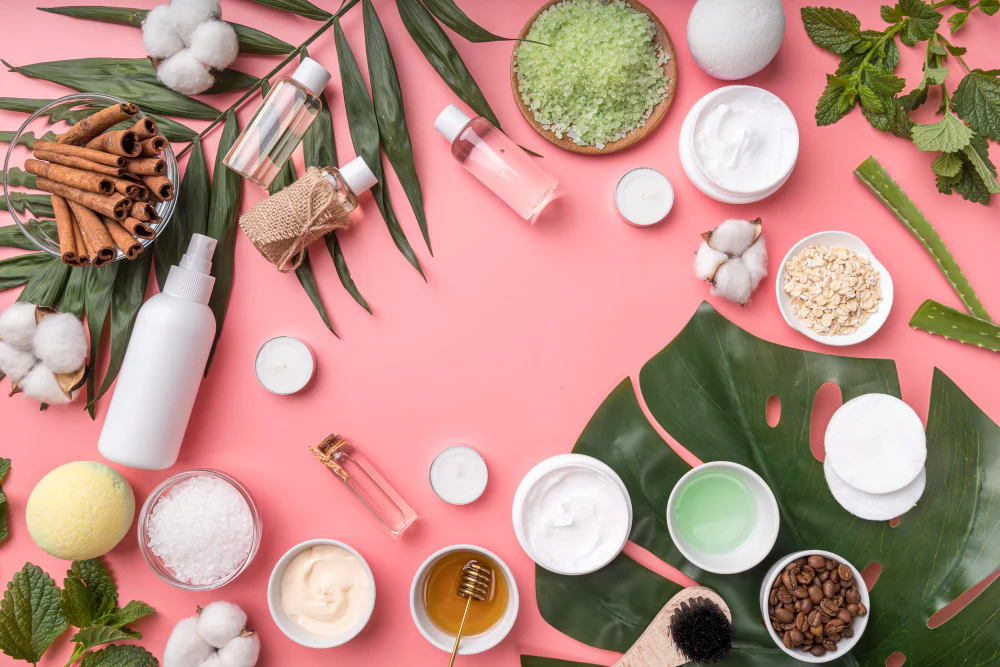
In recent years, skincare has shifted from complicated routines filled with synthetic ingredients to more mindful approaches focused on skin health and sustainability. Consumers are becoming increasingly aware of what they apply to their skin, leading to growing demand for clean beauty solutions. People are now looking for products that are gentle, effective, and made with naturally derived ingredients. This change has made Organic Skincare Products one of the most popular choices among individuals who want healthier skin without unnecessary chemicals.
The modern beauty industry is experiencing a significant transformation as customers prioritize transparency, ingredient quality, and environmentally responsible practices. From plant-based moisturizers to botanical serums and natural cleansers, organic formulations are becoming common in everyday skincare routines. These products focus on nourishing the skin barrier while supporting long-term skin wellness.
Choosing the right skincare products is not only about achieving instant results but also about maintaining balanced and healthy skin over time. Organic formulations often contain ingredients such as aloe vera, green tea, shea butter, jojoba oil, vitamin-rich plant extracts, and essential oils that have been traditionally used for skin nourishment. Understanding how these ingredients work can help consumers make better skincare decisions.
Understanding Organic Skincare Products
Organic Skincare Products are beauty and personal care items created using ingredients that are grown and processed according to organic farming standards. These products generally avoid synthetic pesticides, harsh chemicals, artificial colors, and unnecessary additives. Instead, they rely on naturally sourced ingredients that provide hydration, protection, and nourishment.
The concept of organic skincare goes beyond simply using plant-based ingredients. It also includes ethical sourcing, sustainable production methods, and environmentally friendly packaging. Many brands today are focusing on reducing their ecological footprint by using recyclable containers, responsible manufacturing processes, and cruelty-free testing methods.
Organic skincare is not limited to one specific category. It includes a wide range of products designed for different skin concerns, including dryness, aging, sensitivity, uneven skin tone, and acne-related issues. As consumers become more educated about skincare ingredients, they are increasingly choosing products that align with both their personal health goals and environmental values.
Why Organic Skincare Products Are Becoming Popular in 2026
The popularity of organic beauty solutions has increased because people are becoming more conscious about ingredient safety. With access to information through social media, beauty communities, and online education, consumers are learning how certain ingredients affect their skin. This awareness has encouraged many individuals to move away from aggressive formulas and adopt gentler skincare routines.
Another reason behind this growth is the increasing focus on skin barrier protection. Dermatologists and skincare experts often emphasize maintaining the skin barrier to prevent irritation, dryness, and sensitivity. Many natural ingredients found in organic formulas support this approach by providing essential nutrients and maintaining moisture balance.
The demand for sustainable beauty is also influencing purchasing decisions. Modern consumers are not only considering whether a product works but also how it is produced. Brands offering environmentally responsible packaging, ethical sourcing, and transparent ingredient lists are gaining more attention in the competitive skincare market.
Benefits of Using Organic Skincare Products
Gentle Care for Different Skin Types
One of the biggest advantages of Organic Skincare Products is their ability to provide gentle care. Many organic formulas are designed without harsh chemicals that may cause irritation for sensitive skin types. Ingredients such as chamomile, aloe vera, and calendula are commonly used because of their soothing properties.
However, natural does not automatically mean suitable for everyone. Some botanical ingredients can still cause reactions depending on individual skin sensitivity. Performing a patch test before adding any new product to a skincare routine remains an important step.
Rich Source of Natural Nutrients
Plants contain vitamins, antioxidants, and essential fatty acids that can support healthy-looking skin. Organic skincare formulas often include ingredients rich in nutrients that help improve hydration, texture, and overall appearance.
For example, rosehip oil contains naturally occurring compounds that support skin nourishment, while green tea extract provides antioxidant benefits. These ingredients work together to protect the skin from environmental stress and maintain a refreshed appearance.
Supports Sustainable Beauty Choices
Sustainability has become a major factor in beauty purchasing decisions. Many organic skincare brands focus on environmentally friendly farming practices, responsible packaging, and reduced chemical waste.
By choosing sustainable skincare options, consumers can support companies that prioritize environmental responsibility while also caring for their skin. This combination of personal wellness and environmental awareness is one of the strongest reasons behind the growth of organic beauty.
Common Types of Organic Skincare Products
The skincare market now offers various organic options suitable for different routines and preferences. From daily cleansing to advanced treatments, consumers can create complete skincare routines using natural formulations.
| Product Type | Main Purpose | Common Natural Ingredients |
|---|---|---|
| Organic Cleanser | Removes dirt, oil, and impurities | Aloe vera, coconut-derived ingredients, botanical extracts |
| Organic Moisturizer | Provides hydration and supports skin barrier | Shea butter, jojoba oil, plant oils |
| Organic Face Serum | Targets specific skin concerns | Vitamin C extracts, rosehip oil, herbal ingredients |
| Organic Face Mask | Provides deep nourishment | Clay, turmeric, honey-based ingredients |
| Organic Sunscreen | Protects against UV exposure | Mineral filters, plant extracts |
The right combination of products depends on individual skin needs. Someone with dry skin may benefit from richer moisturizing ingredients, while someone with oily skin may prefer lightweight formulas that maintain hydration without feeling heavy.
Key Ingredients Found in Organic Skincare Products
Aloe Vera for Hydration and Comfort
Aloe vera is one of the most widely used ingredients in natural skincare. It is known for its cooling and hydrating properties, making it suitable for products designed to calm and moisturize the skin. It is commonly found in gels, creams, and soothing treatments.
Plant-Based Oils for Nourishment
Natural oils such as jojoba oil, argan oil, and rosehip oil are frequently included in organic formulas. These oils contain fatty acids and nutrients that help improve skin softness while supporting moisture retention.
Jojoba oil is especially popular because its composition is similar to natural skin oils, allowing it to provide hydration without creating excessive greasiness for many users.
Antioxidant-Rich Botanical Extracts
Many organic skincare formulas include botanical extracts that contain antioxidants. These ingredients help protect the skin from external factors such as pollution and environmental stress.
Green tea, turmeric, and botanical fruit extracts are examples of ingredients commonly used in skincare products because of their naturally occurring beneficial compounds.
How to Choose the Right Organic Skincare Products
Selecting suitable skincare products requires understanding your skin type, concerns, and ingredient preferences. A product that works well for one person may not provide the same results for another because skin conditions vary widely.
Before purchasing a product, consumers should check ingredient labels carefully and understand what each ingredient does. Products with clear ingredient information and transparent manufacturing practices are generally easier to evaluate.
Important factors to consider include:
- Identify your skin type before choosing products.
- Check ingredient lists and avoid unnecessary additives.
- Choose formulas designed for your specific skin concerns.
- Introduce new products gradually into your routine.
A simple skincare routine with carefully selected products is often more effective than using multiple products without understanding their purpose.
Organic Skincare Products vs Conventional Skincare
The difference between organic and conventional skincare mainly depends on ingredient sources, formulation methods, and production standards. Conventional products may contain scientifically developed ingredients that can be highly effective, while organic options focus more on naturally derived components.
Both categories can have benefits depending on individual requirements. Some people prefer organic solutions because they want cleaner formulations, while others choose conventional products based on specific dermatological recommendations.
The future of skincare is likely to involve a combination of advanced science and natural ingredients. Many brands are now developing hybrid formulas that combine research-backed technology with plant-based components.
The Future of Organic Beauty and Skincare Trends
The organic beauty market is expected to continue expanding as consumers demand more personalized and sustainable solutions. Personalization is becoming a major trend, with brands developing products based on different skin types, lifestyles, and environmental conditions.
Technology is also influencing the skincare industry. Digital skin analysis tools, customized recommendations, and ingredient transparency platforms are helping consumers make informed choices. At the same time, brands are focusing on reducing waste and creating environmentally responsible packaging.
In the coming years, Organic Skincare Products are likely to become an even bigger part of daily beauty routines as consumers continue searching for safer, sustainable, and effective skincare solutions.
Tips for Building an Organic Skincare Routine
Creating a skincare routine does not require dozens of products. A balanced approach with the right essentials can help maintain healthy-looking skin.
A basic routine usually includes cleansing, moisturizing, sun protection, and occasional treatments based on skin needs. Consistency is more important than using a large number of products.
Some helpful habits include:
- Cleanse gently to avoid damaging the skin barrier.
- Moisturize regularly to maintain hydration.
- Apply sunscreen daily for protection.
- Maintain a healthy lifestyle with proper nutrition and hydration.
Skincare results usually develop gradually, so patience and consistency are essential.
Frequently Asked Questions
Are organic skincare products suitable for all skin types?
Organic skincare products can be suitable for many skin types, including sensitive skin, but results vary from person to person. It is important to select ingredients based on individual skin concerns and perform a patch test before regular use.
Do organic skincare products work better than regular skincare products?
The effectiveness of skincare depends on ingredients, formulation quality, and how well a product matches your skin needs. Organic products can be highly effective when they contain suitable ingredients and are used consistently.
Can organic skincare products help with acne?
Some organic formulas may support acne-prone skin by using ingredients that help balance oil production and soothe irritation. However, severe acne may require professional dermatological guidance along with skincare products.
How long does it take to see results from organic skincare?
The time required to notice improvements depends on the product type and individual skin condition. Hydration benefits may appear quickly, while changes related to texture, uneven tone, or aging concerns may take several weeks or longer.
Are organic skincare products always chemical-free?
No skincare product is completely free of chemicals because all ingredients are made of chemical compounds. Organic skincare generally refers to ingredients sourced from organic farming practices and avoiding certain synthetic additives.
Are organic skincare products better for the environment?
Many organic skincare brands focus on sustainable farming, ethical sourcing, and eco-friendly packaging. While practices vary between companies, organic beauty products often support more environmentally conscious approaches.
Conclusion
The skincare industry is moving toward cleaner, more sustainable, and ingredient-focused solutions. Organic Skincare Products have gained popularity because they combine natural ingredients, responsible production methods, and effective skincare benefits. From hydration and nourishment to supporting sustainable beauty choices, these products offer a modern approach to maintaining healthy-looking skin.
As consumers continue to prioritize transparency and wellness, organic skincare will remain an important part of the beauty industry. The best skincare routine is one that matches individual needs, uses quality ingredients, and focuses on long-term skin health rather than quick fixes. By understanding ingredients and choosing products carefully, anyone can create a balanced routine that supports naturally beautiful skin.
Leave a Reply