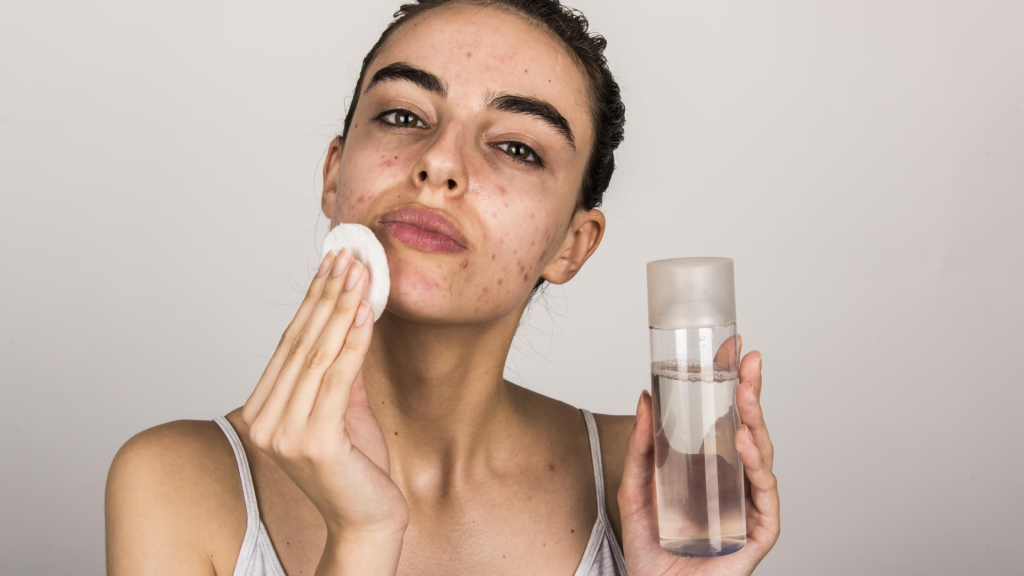
Acne is one of the most common skin concerns affecting teenagers and adults alike. While occasional breakouts can happen to anyone, people with acne-prone skin often experience recurring pimples, blackheads, whiteheads, and inflammation that require consistent care rather than quick fixes. Today, with increasing pollution, stress, hormonal changes, and exposure to countless skincare products on social media, understanding the right approach has become more important than ever.
Many people believe that acne develops simply because the skin is dirty, but modern dermatology shows that acne is influenced by several factors, including excess oil production, clogged pores, bacteria, genetics, hormones, and inflammation. Because every individual’s skin behaves differently, there is no universal treatment that works for everyone. However, following a well-planned Acne Prone Skin Care routine can significantly reduce breakouts while improving overall skin health.
The skincare industry has also evolved dramatically in recent years. Instead of relying on harsh scrubs and drying alcohol-based products, experts now recommend strengthening the skin barrier, using evidence-based ingredients, and maintaining a simple, consistent routine. Understanding these updated recommendations can help prevent irritation while supporting long-term skin improvement.
What Is Acne-Prone Skin?
Acne-prone skin refers to skin that develops pimples more easily than average due to frequent pore blockages and excess sebum production. This skin type often experiences blackheads, whiteheads, papules, pustules, and occasionally deeper cystic acne. While oily skin commonly develops acne, individuals with combination or even dry skin can also experience breakouts.
Modern research emphasizes that inflammation begins before a visible pimple appears. Microscopic pore blockages develop first, allowing bacteria and excess oil to trigger redness and swelling. This is why consistent prevention is often more effective than treating each breakout individually.
People with acne-prone skin may notice flare-ups during stressful periods, hormonal fluctuations, seasonal weather changes, or after introducing unsuitable cosmetic products. Recognizing these triggers allows for a more personalized skincare routine.
Why Acne Develops
Acne develops when multiple biological processes occur simultaneously. Oil glands produce excess sebum, dead skin cells accumulate inside pores, naturally occurring skin bacteria multiply, and inflammation develops. Genetics also play an important role, making some individuals naturally more susceptible to breakouts.
Current lifestyle trends have introduced additional contributing factors. Long working hours, poor sleep quality, processed foods, frequent mask usage in crowded environments, excessive screen exposure leading to stress, and inconsistent skincare routines can all influence acne severity. Although these factors may not directly cause acne, they often worsen existing conditions.
Understanding Your Skin Before Starting an Acne Routine
One of the biggest mistakes people make is copying skincare routines from influencers without considering their own skin type. Before selecting products, determine whether your skin is oily, combination, dry, or sensitive. Acne treatments that work well for oily skin may cause excessive dryness in someone with sensitive skin.
Another important factor is the skin barrier. The outer protective layer prevents moisture loss while defending against bacteria and irritants. Over-cleansing, excessive exfoliation, or combining multiple strong active ingredients can damage this barrier, leading to redness, irritation, and even increased breakouts. A balanced Acne Prone Skin Care routine should protect this barrier while treating acne.
Essential Acne Prone Skin Care Routine
Morning Routine
The morning routine should focus on cleansing, protection, and oil control. Begin with a gentle cleanser that removes overnight oil without stripping natural moisture. Follow with a lightweight moisturizer that contains hydrating ingredients such as glycerin or ceramides. Even oily skin requires proper hydration because dehydrated skin may compensate by producing more oil.
The final and most important step is sunscreen. Modern dermatologists strongly recommend applying broad-spectrum SPF 30 or higher every morning, even indoors if exposed to daylight. Sun protection helps prevent post-acne marks from becoming darker and protects skin undergoing acne treatment.
Evening Routine
Nighttime is when the skin naturally repairs itself. Cleanse thoroughly to remove sunscreen, makeup, dirt, and excess oil accumulated during the day. Apply acne treatment products according to your skin’s needs, followed by a moisturizer to reduce dryness and support barrier repair.
Consistency matters more than using numerous expensive products. Many improvements become noticeable after eight to twelve weeks of regular care rather than within a few days.
Best Ingredients for Acne-Prone Skin
Selecting scientifically supported ingredients is more beneficial than following skincare trends. Dermatologists frequently recommend ingredients with proven effectiveness against acne and inflammation.
| Ingredient | Primary Benefit | Suitable For |
|---|---|---|
| Salicylic Acid | Clears clogged pores and controls oil | Oily and combination skin |
| Benzoyl Peroxide | Reduces acne-causing bacteria | Moderate inflammatory acne |
| Niacinamide | Controls oil and reduces redness | Most skin types |
| Azelaic Acid | Treats acne and pigmentation | Sensitive and acne-prone skin |
| Retinoids | Improve cell turnover and prevent clogged pores | Persistent acne with professional guidance |
| Ceramides | Strengthen the skin barrier | Dry or irritated acne-prone skin |
Instead of introducing multiple active ingredients simultaneously, begin with one treatment and monitor your skin for several weeks. Gradual adjustments help minimize irritation while identifying which products work best.
Common Mistakes That Make Acne Worse
Many people unintentionally aggravate their skin despite following what appears to be a thorough routine. Overusing products often creates more problems than benefits.
Some of the most common mistakes include:
- Washing the face more than twice daily.
- Frequently touching or picking pimples.
- Skipping moisturizer because the skin feels oily.
- Using multiple exfoliating acids together.
- Sleeping without removing sunscreen or makeup.
Correcting these habits alone can significantly improve Acne Prone Skin Care results over time.
Lifestyle Habits That Support Clear Skin
Healthy skin reflects overall wellness. Although skincare products play an essential role, daily habits also influence acne severity. Chronic stress increases cortisol levels, which may stimulate additional oil production. Poor sleep affects skin recovery, while dehydration may reduce overall skin health.
Helpful daily habits include:
- Eating a balanced diet rich in vegetables, fruits, and lean proteins.
- Drinking enough water throughout the day.
- Changing pillowcases regularly.
- Cleaning mobile phone screens frequently.
- Managing stress through exercise or relaxation techniques.
These habits complement a consistent Acne Prone Skin Care routine and support healthier skin over time.
Acne and Diet: What Current Research Suggests
The relationship between diet and acne continues to be actively studied. Current evidence suggests that foods with a high glycemic index may worsen acne in some individuals by increasing insulin levels, which can stimulate oil production. Similarly, certain people notice increased breakouts after consuming large amounts of dairy products, although this association varies from person to person.
Rather than eliminating entire food groups unnecessarily, experts recommend observing personal triggers through a food diary while maintaining a balanced diet rich in fiber, antioxidants, vitamins, and healthy fats. Nutrients such as zinc, omega-3 fatty acids, and vitamins A and E contribute to overall skin health, although supplements should only be taken under professional guidance.
How Stress and Hormones Affect Acne
Hormonal fluctuations remain one of the leading causes of acne among teenagers and adults. Women frequently notice breakouts around menstruation, during pregnancy, or with conditions such as polycystic ovary syndrome (PCOS). Stress also plays an important role by increasing cortisol, which may stimulate oil glands and intensify inflammation.
Managing stress through regular exercise, meditation, adequate sleep, and balanced nutrition may reduce flare-ups over time. While stress management alone will not cure acne, it supports better skin recovery and complements medical or topical treatments.
Choosing Products Wisely
The skincare market offers thousands of products claiming instant results, making selection challenging. Instead of focusing on marketing claims, prioritize formulations labeled as non-comedogenic, fragrance-free when possible, and appropriate for your skin type.
Avoid introducing multiple new products simultaneously. Testing one product at a time for several weeks makes it easier to identify benefits or adverse reactions. Patience remains one of the most important aspects of successful Acne Prone Skin Care, as skin requires time to adapt and heal.
When Should You See a Dermatologist?
While mild acne often responds to over-the-counter products, persistent or severe acne requires professional evaluation. Delaying treatment may increase the risk of permanent acne scars and pigmentation.
A dermatologist may recommend prescription-strength retinoids, oral medications, hormonal therapy, or other advanced treatments depending on the severity and underlying cause. Seeking early treatment often leads to better long-term outcomes and reduces emotional distress associated with chronic acne.
Frequently Asked Questions
1. How often should I wash acne-prone skin?
Washing your face twice daily is generally sufficient for most people. Excessive cleansing can strip the skin of its natural protective oils, leading to irritation and increased oil production. Use a gentle cleanser and avoid aggressive scrubbing.
2. Is moisturizer necessary for acne-prone skin?
Yes. Moisturizer is an essential part of Acne Prone Skin Care because it helps maintain the skin barrier and reduces dryness caused by acne treatments. Lightweight, non-comedogenic moisturizers are usually the best choice.
3. Can sunscreen make acne worse?
Modern non-comedogenic sunscreens are specifically formulated to avoid clogging pores. Daily sunscreen use protects against UV damage and helps prevent acne marks from becoming darker after healing.
4. How long does it take to see results from an acne routine?
Most people begin noticing gradual improvements after eight to twelve weeks of consistent use. Frequent product changes often delay progress, so maintaining a stable routine is recommended.
5. Should I pop pimples to make them heal faster?
No. Popping pimples increases inflammation, introduces bacteria, and raises the likelihood of permanent acne scars and post-inflammatory pigmentation. Allow blemishes to heal naturally or seek professional extraction when necessary.
Conclusion
Managing acne requires patience, consistency, and an understanding of how your skin responds to different products and lifestyle factors. Modern skincare emphasizes gentle cleansing, barrier protection, scientifically proven active ingredients, and regular sun protection instead of harsh treatments that strip the skin. Following a balanced Acne Prone Skin Care routine while avoiding common mistakes can gradually reduce breakouts, improve skin texture, and minimize long-term scarring.
Remember that every person’s skin is unique. What works well for one individual may not deliver identical results for another. Paying attention to your skin’s needs, introducing products gradually, and consulting a dermatologist when necessary are the most reliable ways to achieve healthier, clearer skin. With realistic expectations and consistent care, long-term improvement is entirely possible.
Leave a Reply