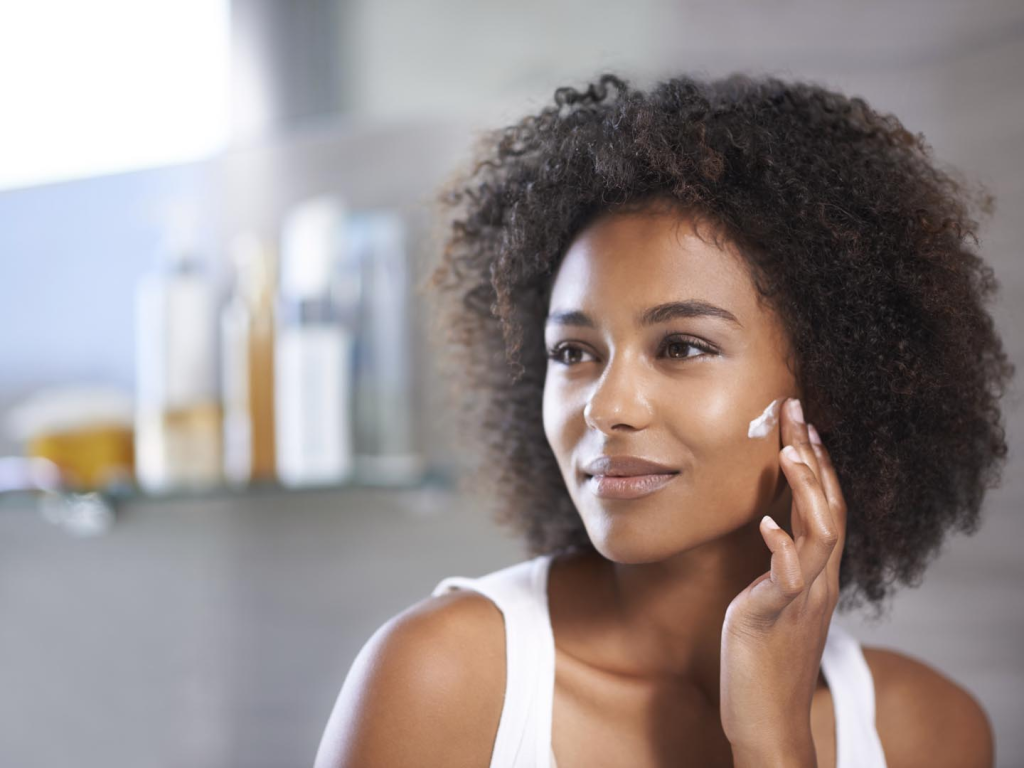
Healthy skin is not just about appearance; it is also a reflection of your overall lifestyle, daily habits, and the care you provide. With changing weather conditions, increasing pollution levels, stress, and exposure to digital screens, maintaining clear and balanced skin has become more challenging than ever. A proper skincare routine helps protect the skin barrier, improve texture, and maintain a natural glow over time.
In 2026, skincare trends are moving toward simple, science-backed routines rather than complicated product collections. People are becoming more aware of ingredients, skin types, and personalized solutions. Instead of following every trend, understanding your skin’s unique needs is the key to achieving long-lasting results.
Following effective Skin Care Tips can help prevent common concerns such as dryness, acne, premature aging, uneven tone, and sensitivity. A consistent approach that combines the right products, healthy habits, and protection from environmental damage can make a significant difference in skin health.
Understanding Your Skin Type Before Starting a Routine
One of the most important steps in building an effective skincare routine is identifying your skin type. Every person’s skin reacts differently to products and environmental factors. Using products without understanding your skin requirements may cause irritation, excessive oiliness, or dryness.
Generally, skin types are categorized as oily, dry, combination, normal, and sensitive. Oily skin usually produces excess sebum and may experience clogged pores, while dry skin often feels tight and requires extra hydration. Combination skin has both oily and dry areas, commonly with oiliness around the forehead, nose, and chin. Sensitive skin needs gentle products that minimize irritation.
Before purchasing skincare products, observe how your skin behaves throughout the day. Notice whether your face becomes oily, flaky, irritated, or comfortable after cleansing. This simple observation can help you choose suitable ingredients and create a routine that supports your skin instead of damaging it.
Essential Daily Skincare Routine for Healthy Skin
A consistent daily routine is more effective than using expensive products occasionally. The foundation of good skincare includes cleansing, moisturizing, and protecting the skin from harmful UV rays. These three steps help maintain the skin barrier and prevent many common problems.
Cleansing removes dirt, sweat, excess oil, and environmental pollutants that accumulate throughout the day. However, over-cleansing can remove natural oils and weaken the skin barrier. Using a gentle cleanser suitable for your skin type helps keep the skin clean without causing dryness or irritation.
Moisturizing is necessary for every skin type, including oily skin. A good moisturizer helps maintain hydration and supports the protective barrier of the skin. Ingredients such as hyaluronic acid, ceramides, and glycerin are commonly used to improve moisture retention.
Sun protection is one of the most important parts of skincare. Daily exposure to ultraviolet rays can contribute to premature aging, dark spots, and uneven skin tone. Applying sunscreen regularly, even on cloudy days, helps protect the skin from long-term damage.
Morning and Night Skincare Routine Differences
The purpose of a morning skincare routine is mainly protection, while a nighttime routine focuses on repair and recovery. During the day, the skin faces pollution, sunlight, and environmental stress. At night, the skin naturally goes through recovery processes, making it an ideal time to use nourishing products.
A simple morning routine may include cleansing, applying a lightweight moisturizer, and finishing with sunscreen. If desired, products containing antioxidants such as vitamin C can help protect against environmental stress.
A nighttime routine usually focuses on removing impurities and supporting skin renewal. Cleansing after a long day helps remove makeup, sunscreen, and pollutants. Depending on individual concerns, people may use products containing ingredients like retinol, peptides, or soothing compounds under professional guidance.
The following table highlights the basic difference between morning and night skincare routines:
| Routine Time | Main Purpose | Common Steps | Benefits |
|---|---|---|---|
| Morning Routine | Protection from external damage | Cleanser, moisturizer, sunscreen | Protects against pollution and UV exposure |
| Night Routine | Skin repair and nourishment | Cleanser, treatment products, moisturizer | Supports recovery and hydration |
Important Ingredients for Better Skin Health
Modern skincare focuses heavily on active ingredients that address specific concerns. Understanding these ingredients helps consumers make better choices instead of randomly selecting products.
Hyaluronic acid is widely used for hydration because it helps attract and retain moisture in the skin. It is suitable for many skin types and can improve the appearance of dryness and dehydration.
Vitamin C is a popular antioxidant that helps improve dull-looking skin and supports a brighter complexion. It also helps protect against environmental stress when combined with proper sun protection.
Retinol and retinoids are commonly used in anti-aging skincare because they support skin renewal and may reduce the appearance of fine lines. However, beginners should introduce these ingredients slowly because they can cause sensitivity if used incorrectly.
Niacinamide is another versatile ingredient known for supporting the skin barrier, reducing excess oil, and improving uneven skin appearance. It is often included in products designed for sensitive and combination skin.
Skin Care Tips for Different Skin Concerns
Different skin concerns require different approaches. A solution that works well for one person may not provide the same results for another. Understanding the cause behind a skin issue is more effective than simply treating visible symptoms.
For acne-prone skin, maintaining cleanliness, avoiding harsh scrubbing, and choosing non-comedogenic products can help reduce breakouts. Acne is often influenced by hormones, lifestyle, and genetics, so patience and consistency are important.
For dry skin, hydration should be the primary focus. Using gentle cleansers, moisturizing regularly, and avoiding extremely hot water can help maintain natural moisture levels.
For signs of aging, prevention is more effective than waiting for visible changes. Daily sunscreen use, antioxidant-rich products, adequate hydration, and a healthy lifestyle contribute to maintaining youthful-looking skin.
Some simple habits that support better skin health include:
- Drink enough water and maintain a balanced diet rich in vitamins and minerals.
- Get sufficient sleep because skin recovery happens during rest.
- Avoid frequently touching your face with unclean hands.
- Change pillowcases regularly to maintain better hygiene.
- Manage stress through exercise, relaxation, or mindfulness practices.
The Role of Diet and Lifestyle in Skincare
Skincare is not limited to external products. What you consume and how you live can significantly influence your skin’s appearance. A balanced diet containing fruits, vegetables, proteins, and healthy fats provides essential nutrients required for skin maintenance.
Foods rich in antioxidants, such as berries, leafy vegetables, and nuts, help support the body’s natural defense against environmental stress. Omega-3 fatty acids found in certain foods may also support healthy-looking skin by contributing to overall skin balance.
Lifestyle habits such as poor sleep, excessive stress, smoking, and high consumption of processed foods can negatively affect skin quality. While skincare products provide external support, healthy internal habits create a strong foundation for long-term results.
Common Skincare Mistakes to Avoid
Many people make skincare mistakes because they expect immediate results or follow trends without understanding their skin. One common mistake is changing products too frequently. Skin often requires several weeks to adjust to a new routine, and constantly switching products may lead to irritation.
Another mistake is using too many active ingredients at the same time. Combining multiple strong ingredients without proper knowledge can damage the skin barrier and increase sensitivity. A balanced routine with fewer effective products is often more beneficial.
Ignoring sunscreen is another major mistake. Many people focus on treatments for existing concerns but overlook daily protection, which plays a crucial role in preventing future skin problems.
Advanced Skin Care Trends in 2026
The skincare industry in 2026 is focusing more on personalization, sustainability, and scientifically developed formulas. Consumers are moving away from complicated routines and choosing products based on their specific skin requirements.
Artificial intelligence and digital skin analysis tools are becoming more common, helping individuals understand their skin conditions and select suitable routines. Personalized skincare recommendations are expected to grow as technology improves.
Another important trend is barrier-focused skincare. Instead of aggressively targeting problems, many experts now emphasize maintaining healthy skin function through gentle ingredients, hydration, and protective routines.
How to Build a Sustainable Skincare Routine
A successful skincare routine should be realistic and easy to maintain. Many people start with complicated routines but stop after a short time because they become difficult to follow. A simple routine performed consistently usually provides better outcomes.
Start with essential products such as a gentle cleanser, moisturizer, and sunscreen. Once your skin adjusts, you can gradually introduce targeted treatments based on your concerns. Always patch-test new products before applying them regularly.
One of the most valuable Skin Care Tips is to focus on consistency rather than instant results. Healthy skin develops through daily care, patience, and understanding your individual needs.
FAQs
What are the most important skincare steps for beginners?
Beginners should focus on basic skincare steps including cleansing, moisturizing, and sunscreen application. These steps help maintain skin health and protect against environmental damage. Additional products can be introduced gradually depending on specific concerns.
How often should I follow a skincare routine?
A skincare routine should ideally be followed twice daily, once in the morning and once at night. However, the exact routine depends on skin type, lifestyle, and individual needs. Consistency matters more than using many products.
Can natural ingredients improve skin health?
Some natural ingredients may support skin health, but not every natural ingredient is suitable for everyone. Skin reactions vary, so it is important to test products carefully and choose ingredients supported by research.
How long does it take to see skincare results?
The time required for visible improvement depends on the product, skin concern, and individual response. Some hydration benefits may appear quickly, while concerns such as pigmentation or aging signs often require several weeks or months of consistent care.
Is sunscreen necessary every day?
Yes, sunscreen is recommended daily because UV exposure occurs throughout the year. Regular sunscreen use helps reduce the risk of sun-related skin damage and supports healthier-looking skin over time.
Should skincare routines change with seasons?
Yes, seasonal changes can affect skin needs. For example, colder months may require richer moisturizers, while warmer months may require lightweight hydration and oil control. Adjusting products according to weather helps maintain skin balance.
Conclusion
Maintaining healthy skin requires a combination of proper products, consistent habits, and lifestyle choices. There is no single solution that works for everyone because every person’s skin has different needs. Understanding your skin type and creating a balanced routine is the foundation of effective skincare.
The best Skin Care Tips focus on protecting the skin barrier, staying consistent, using suitable ingredients, and avoiding unnecessary complications. In today’s fast-changing skincare world, informed decisions are more valuable than following every trend.
By following a thoughtful skincare approach and giving your skin the care it deserves, you can achieve a healthier, brighter, and more confident appearance. Good skin is not created overnight; it is built through small, positive habits practiced every day.
Leave a Reply